

EFFICACY & SAFETY
Proven to be effective with a well-established safety profile
ISEMBYLD with an SMN2-targeted treatment improved motor function beyond an SMN2-targeted treatment alone
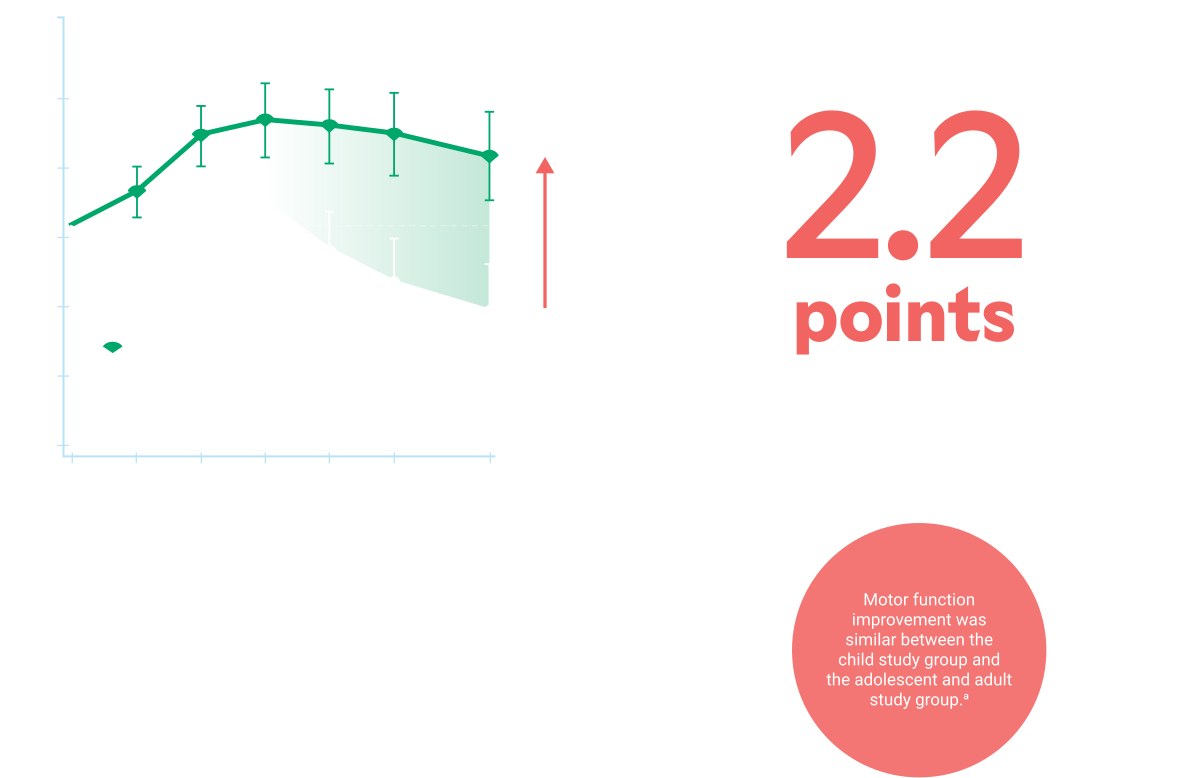
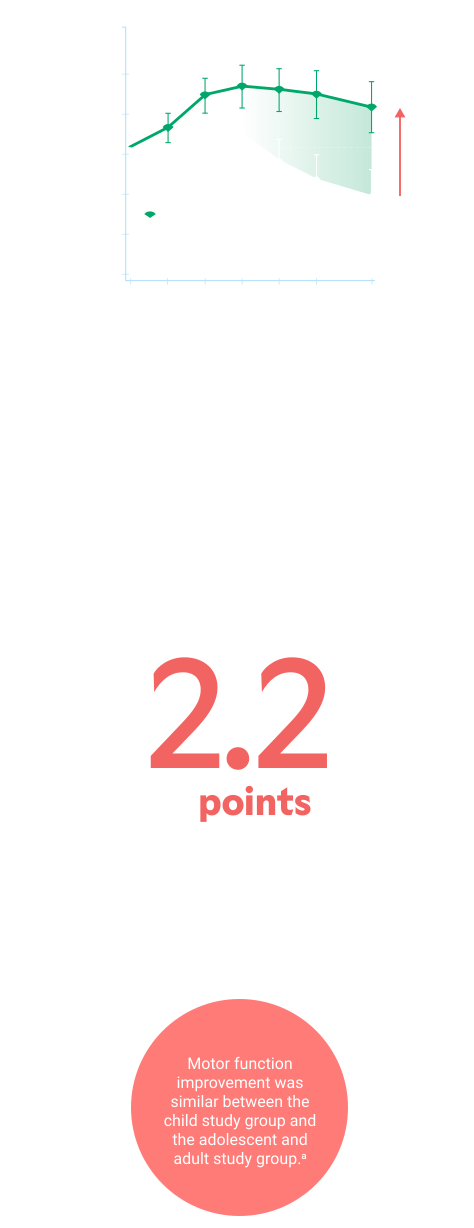
Ongoing ISEMBYLD Treatment Matters
In the SAPPHIRE study, clinically meaningful improvements in motor function for people taking ISEMBYLD with an SMN2-targeted treatment compared to people taking an SMN2-targeted treatment alone were seen at 52 weeks (the last measured timepoint in the study). That is why it’s important to continue treatment with ISEMBYLD and discuss your progress with your doctor.
For some, the gains were even greater
34.2% of people aged 2-12 years (n=53) taking ISEMBYLD with an SMN2-targeted treatment experienced improvements of

Compared to 13.5% of people aged 2-12 years (n=50) taking SMN2-targeted treatment alone.
How ISEMBYLD was studied
The efficacy of ISEMBYLD in people 2 years of age and older with SMA was demonstrated in a placebo-controlled clinical study called SAPPHIRE. The study included 188 people who were 2 to 21 years of age. All patients in the study were receiving an SMN2-targeted treatment and were non-ambulatory at baseline. The study measured motor function using scores from the Hammersmith Functional Motor Scale–Expanded (HFMSE), a tool specifically designed to evaluate motor function in SMA. See the full study design
Ongoing ISEMBYLD Treatment Matters
Motor function improvements were seen at 52 weeks in the SAPPHIRE study (the last measured timepoint in the study), reinforcing the importance of continuing your treatment and discussing your progress with your doctor.
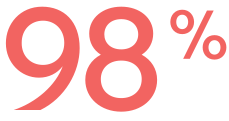
of people in the SAPPHIRE clinical trial chose to stay on ISEMBYLD and entered a long-term observational study
What Hammersmith scores mean in real life
The Hammersmith Functional Motor Scale–Expanded (HFMSE) offers a way to test motor function abilities that are important to your daily life, such as sitting up, rolling over, and standing independently. It measures 33 common movements, each graded 0 (unable to perform the action) to 2 (able to perform the action), producing an overall score from 0 to 66 points.

The safety profile for ISEMBYLD was demonstrated in the SAPPHIRE study
The most common side effects reported with ISEMBYLD were:
- Upper respiratory tract
infections - Vomiting
- Cough
- Viral infections
- Headache
- Stomach flu (gastroenteritis)
- Sore throat (pharyngitis)
- Hypersensitivity
These are not all of the possible side effects of ISEMBYLD. Call your doctor for medical advice about side effects.
Treatment with ISEMBYLD may increase the risk of bone fractures, including serious fractures. Bone fractures may happen with or without a fall or other injury. Your healthcare provider may consider stopping treatment with ISEMBYLD if you experience a bone fracture during treatment.
0
discontinuations
due to adverse events during the study